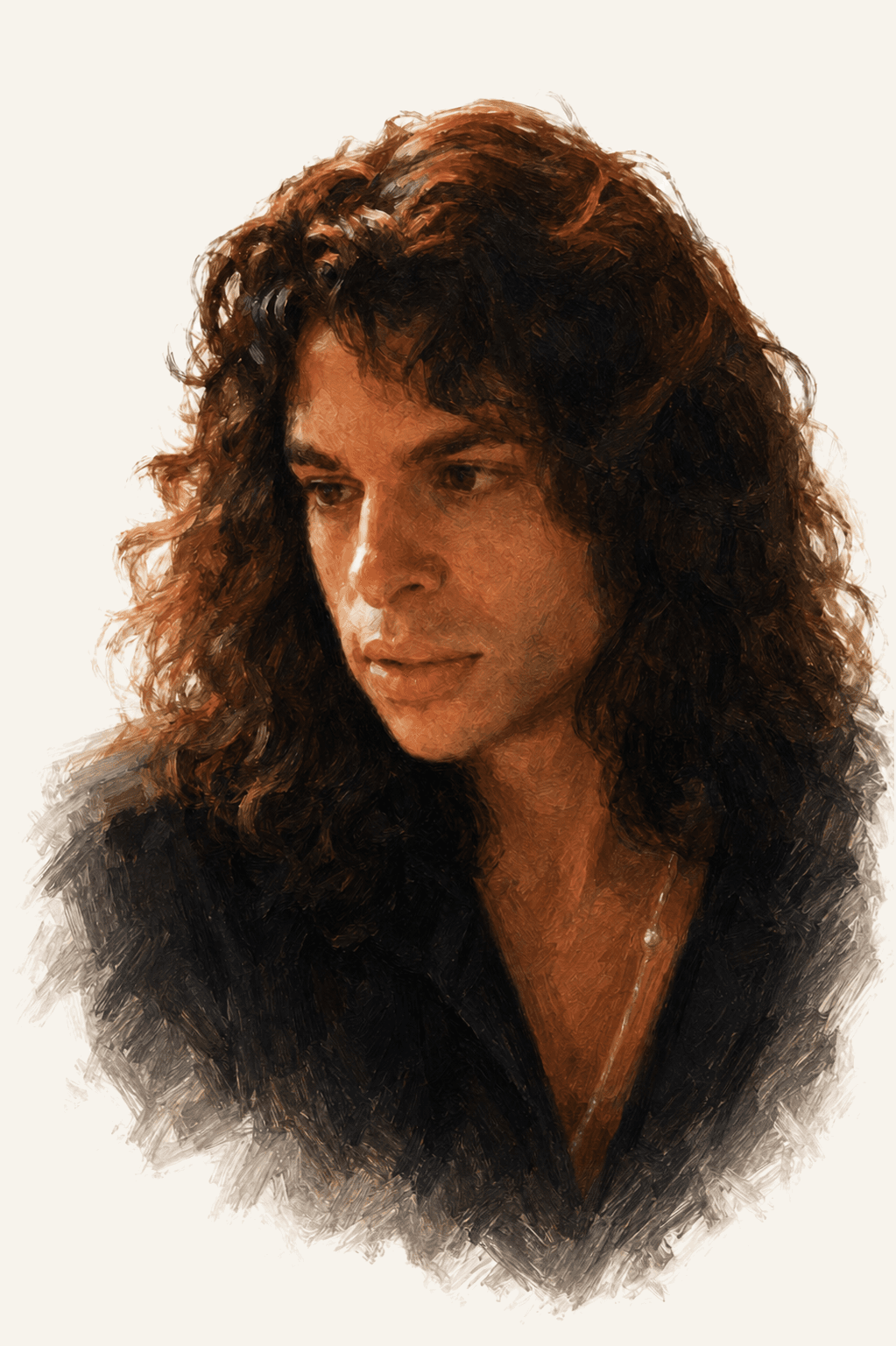
Paul Dalio
DirectorComposer
United States
Paul Dalio is an American director and composer best known for writing and directing Touched with Fire, a drama about two poets with bipolar disorder who meet in a psychiatric hospital. Dalio also composed and edited the film, which drew in part on his own experience of living with bipolar disorder. [1]
Career and work
Dalio studied screenwriting and filmmaking at New York University’s Tisch School of the Arts, where filmmaker Spike Lee became a mentor. Lee later served as an executive producer on Dalio’s feature debut, Touched with Fire. [1]
Dalio wrote, directed, composed the score for, and co-edited Touched with Fire, which premiered at SXSW in 2015 and was released theatrically in 2016. The film stars Katie Holmes and Luke Kirby as two poets with bipolar disorder who meet in a psychiatric hospital. [1]
Dalio is currently developing additional film and television projects through Moonstruck Productions, including the feature film Amphibia and the series Revelation and Shaman. [7]
What has been publicly discussed
- Dalio has publicly said that he was diagnosed with bipolar disorder at age 24. He has described the diagnosis as shattering the identity he had formed and said he initially feared that treatment would leave him unable to feel and create as before. [2][3]
- His experience with the diagnosis later became central to Touched with Fire, which he has described as an attempt to portray bipolar disorder from the perspective of someone living through it rather than only through a clinical lens. [6]
- Dalio has described years in which bipolar disorder severely disrupted his ability to function. He spent about five years in and out of psychiatric facilities and has said he was hospitalized four times, including twice involuntarily. He has spoken openly about experiencing psychosis and severe manic episodes. [2][4]
- He has described bipolar depression as even more painful than his experiences of hospitalization. During the most severe periods, he became suicidal and has said that his father sometimes spent hours on the phone helping him through those crises. [4]
- Dalio has said that medication became central to managing his bipolar disorder after an initially difficult experience with treatment. He later described finding a treatment regimen that worked better for him and has identified lithium as part of that treatment. [5]
- He has also described maintaining a strict routine: avoiding alcohol, going to bed at the same time each night, taking walks, using a light box, and practicing Transcendental Meditation. Dalio has said that finding a sustainable balance took years rather than happening immediately after starting treatment. [4]
- Dalio has said that he has been stable since 2007 and, by around 2010, had reached a point where he again felt a full range of emotion and was able to thrive creatively. He has described this as a gradual change that took several years rather than a quick return to his previous life. [4]
- He has also said that bipolar disorder continues to shape how he sees himself and his creative work, even after the most severe period of illness passed. [6]
- Dalio has said that one of his aims with Touched with Fire was to reduce stigma by allowing viewers to experience bipolar disorder from inside the characters’ perspective rather than seeing them only as patients or symptoms. He hoped the film would encourage people to see those living with mood disorders as more than a clinical diagnosis. [2]
- Although the film explores bipolar disorder and creativity, Dalio has also cautioned against treating it as an argument that bipolar disorder produces artistic genius. He has said the film is instead about two people trying to find meaning in an illness they have to live with. [6]
“Being bipolar will always inform who I am. I’ll always appreciate the role it plays in my life.”
— Paul Dalio [6]
Sources and other resourcesExpand to view the sources used in this profile and resources to learn more.
Sources used for this profile
The following sources contain information that supports the claims made on this page.
Paul Dalio — Official biography Professional biography and information about Touched with Fire.
profile or biographyJohns Hopkins Medicine, 2016 Covers diagnosis, hospitalization, stability, and the origins of Touched with Fire.
article or webpageRogerEbert.com interview Covers identity, diagnosis, treatment fears, and creativity.
interview
View all 7 sources
MDedge interview Detailed account of hospitalization, psychosis, depression, suicidality, treatment, routines, and stability.
interviewMandatory interview Covers medication and lithium.
interviewScottish Mental Health Arts Festival interview Covers stigma, creativity, identity, and the purpose of Touched with Fire.
interviewPaul Dalioarticle or webpage
Learn more
Recommended books and other resources about Paul Dalio and their experiences.
- “Bipolar Disorder: Beyond the Label” — NAMI, 2026Article
Discussion with Dalio and others about bipolar disorder, work, identity, and stigma.
- “Touched with Fire” — Charlie Rose, 2016Article
Conversation with Dalio, Luke Kirby, and Kay Redfield Jamison.
- International Bipolar Foundation — Paul Dalio and Kay JamisonArticle
Discussion of mania, creativity, and the making of Touched with Fire.